
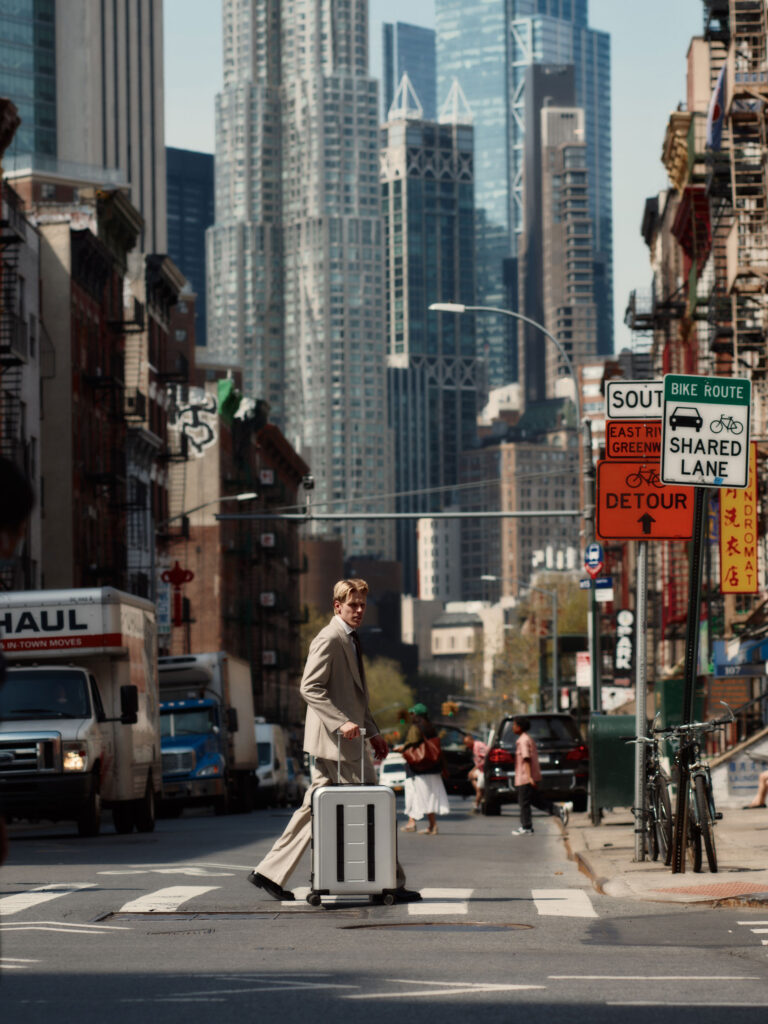
The Db Journey: Shaping a New Era of Travel Gear
Spend some time with the people behind Db and it becomes clear this isn’t just another luggage company. It’s a small group of people building things they genuinely believe in, shaped by a mix of creative curiosity and practical engineering.
Vincent brings the perspective of a photographer turned designer, someone who has seen too many bags fall short when situations get unpredictable. Truls carries the mindset of a founder who believes the harder route often leads to better work. Jon keeps the whole effort aligned with a clear sense of where the brand needs to go.
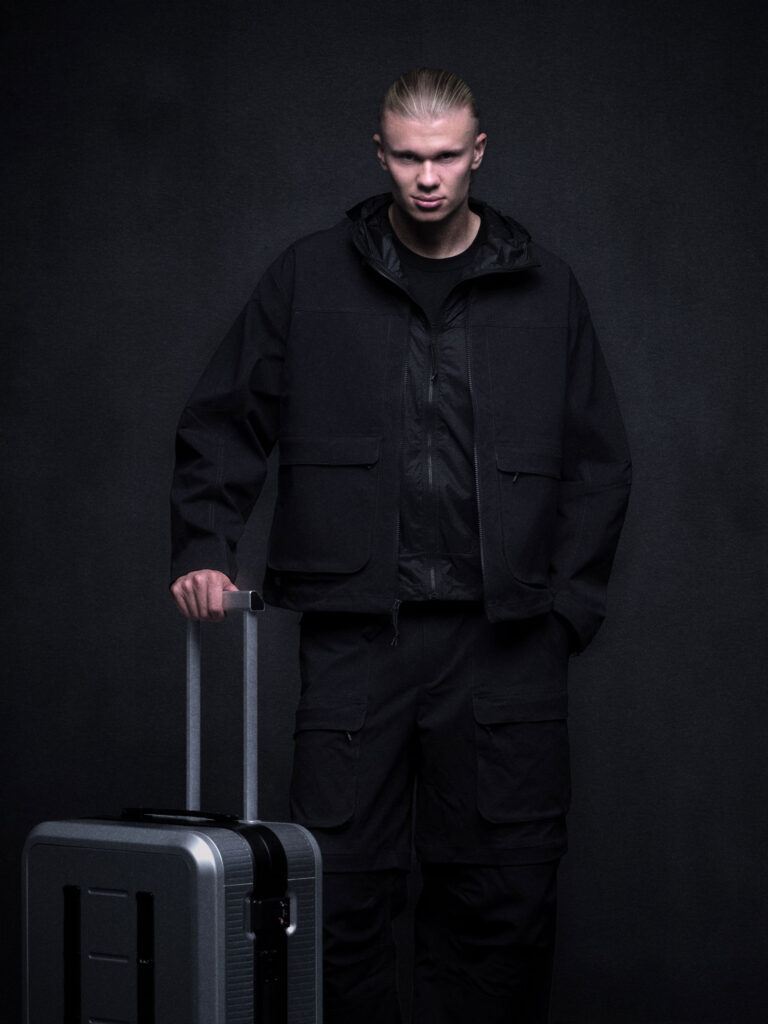
Around them are partners who broaden the view, including Erling Haaland and Gustav Magnar Witzøe. Their involvement isn’t about attention, it’s about pushing the idea of what the brand can become while letting the products speak for themselves.
Db is shaped by honesty, trial and error, and the frustrations that eventually turned into solutions. By ideas that once seemed unrealistic and only made sense once they existed. And by the belief that if something is built to last and built so it can be repaired – people will trust it with the things that matter most.
At its core, the work is simple: create travel gear that keeps up with real life rather than slowing it down.
images courtesy Db
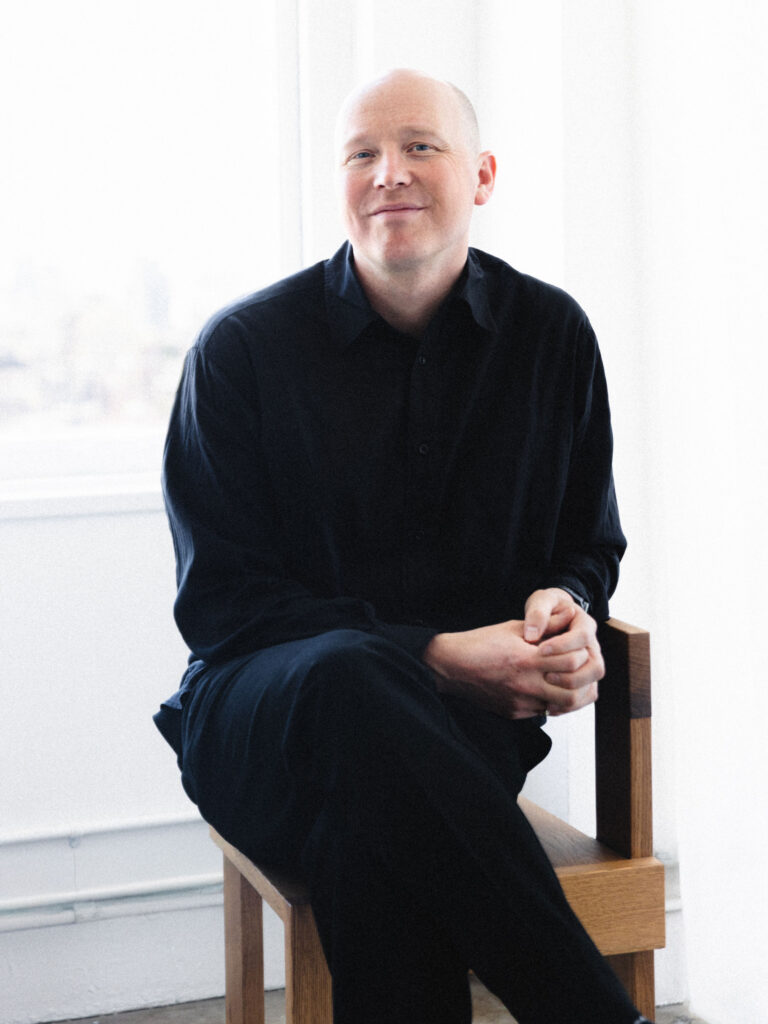
Vincent Laine
Jahwanna: When you started working on Ramverk Alu, what was the spark or frustration that set the design direction in motion?
Vincent Lane: When I was traveling the world photographing while working toward becoming a better camera designer at Leica, I started noticing a gap in the travel market. There were not many contemporary products or brands that truly spoke to creatives, entrepreneurs, and people who see the world as their studio. People who treat their luggage as a toolbox for the things they carry between ideas, projects, and places.
I also realized that trust in a product matters on multiple levels. Functionally, it has to perform under constant movement and pressure. Visually, it becomes part of how people present themselves and move through the world.
After several situations where my gear failed during trips, I reached a point where I wanted to rethink the category from the ground up. That frustration became the starting point of my relationship with Db.
JB: You pushed away from industry standards with aluminium and custom parts.
Was there a moment in the process when you thought, “This might actually be impossible” and how did you get past that?
VL: The luggage market is shaped by repetition, so doing something truly new requires alignment across every part of the process, from suppliers and engineers to management and production. Eventually, you reach a threshold where all the preparation, testing, and problem solving is done, and the only thing left is to see whether the idea holds together in reality.
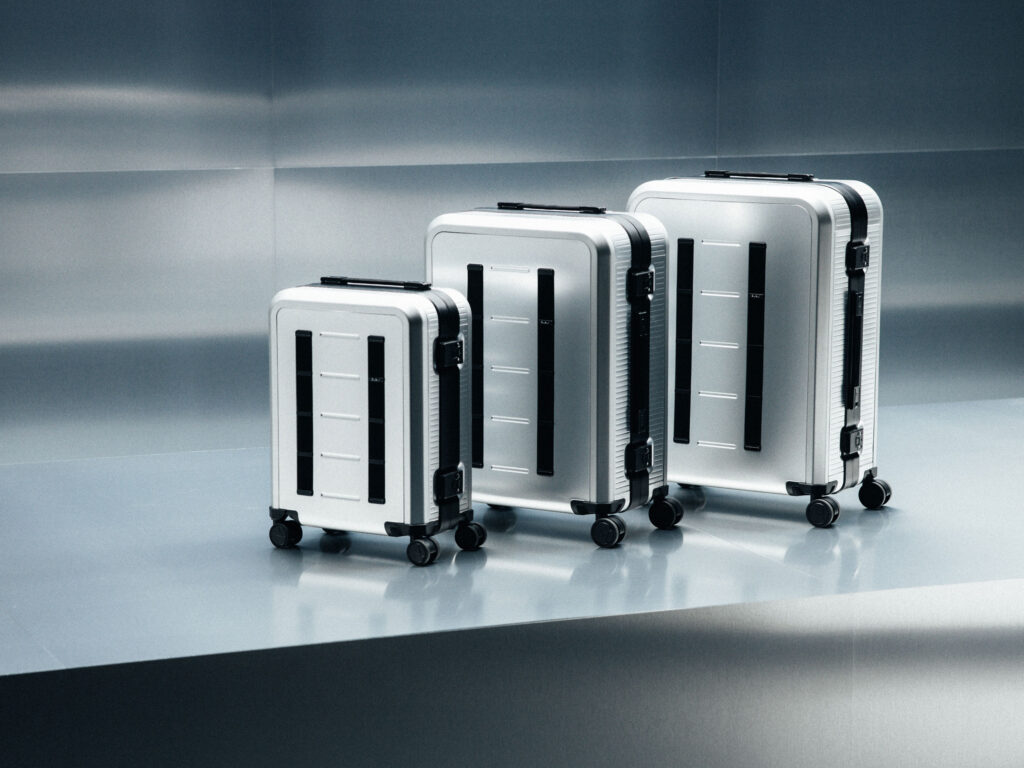
That was the case with the Edge Frame. At first glance it looks simple, but it is an L shaped aluminum profile engineered to wrap precisely around the front and back edges of the case. The level of precision needed to make that work consistently was significant. There was no existing component or reference point that proved it would succeed. It became a process of constant trial and error, refining every parameter until the system aligned with the original intention: improving structural integrity and protecting what is inside.
The trolley handle brought a similar challenge. It was developed from a single piece of aluminum with no visible screws, creating a more solid and trustworthy point of interaction. Most luggage handles use multiple plastic parts with exposed fasteners because they are easier to produce. We chose a more difficult path without knowing for certain if it would work until the final stages. All we could do was refine, simulate, prototype, and trust the process enough to keep moving forward.
JB: Db talks a lot about meaningful travel and Scandinavian minimalism. On a personal level, how do those ideas influence the way you design?
VL: What feels meaningful to someone is usually connected to what they are pursuing. When people move through the world to build, create, present, or share ideas, their focus should stay on that work rather than the friction around it. That perspective shapes how I think about design. I want to create products that feel trustworthy and dependable so people can keep their attention on what matters to them.
To make that philosophy more tangible, I often describe it as capable elegance. A product should feel refined enough to be in your living room, but strong enough to be thrown in the back of a truck. That balance between rugged and refined is where the work becomes interesting to me.
It is also where I see a more progressive interpretation of Scandinavian design emerging. Less about minimalism as a visual style and more about clarity, durability, restraint, and functional honesty.
JB: After the momentum from your earlier hard case development, what part of the luggage world still feels unexplored or exciting to you as a designer?
VL: What continues to excite me is the ongoing process of sharpening the perspective Db brings to the luggage world. The most interesting products come from brands with a clear enough point of view to ignore what is not relevant to them. In a market full of noise and repetition, that clarity matters.
Once you understand a brands values and perspective, you can make more intentional decisions about what to prioritize and what to leave behind. For Db, that has meant focusing on structural quality, durability, integrity, and the emotional confidence that comes from trusting a product.
I see this as an ongoing exploration, not a finished result. It should keep evolving through the products themselves. That is what still makes the luggage category exciting to me: the chance to keep deepening a brand identity through the objects it creates.
Ramverk Alu is a strong expression of that mindset. It shows what can happen when a team commits fully to a perspective and follows it through without compromise.
Truls Brataas
JB: This project is a big leap in materials and engineering. What was the moment you knew Db had to make an aluminium case even knowing how complex it would be?
Truls Brataas: I think we knew it from the beginning. The more we learned about the complexity of aluminum, the more interested we became. This project allowed us to bring everything we learned from transporting specialized and fragile sports equipment into a complex lifestyle product.
JB: Db has evolved massively since the early days. What does this latest aluminium project represent emotionally in the bigger story of the brand?
TB: For me, Alu is a significant emotional milestone. Db should never stand still. As a brand and as a company, we are in constant evolution. Alu confirms that we have managed to keep that mentality. It also represents our commitment to the premium lifestyle market, a position we have always aimed for. Now we have the pinnacle product to support that position.
JB: Sustainability has always been part of Db’s DNA. What aspect of Ramverk Alu makes you feel you’re genuinely moving the needle rather than following Trends?
TB: Reparability. We believe in long lasting products, and repairability is something we truly believe moves the needle. Including repairability as a design requirement has made this product unique in both design and construction. Db is the only B Corp certified hard luggage brand we know of, and we are proud to bring innovation to this area.
JB: You’ve brought in new investors and strategic partners recently. How has that shaped your own thinking as a founder and the kind of risks you’re willing to take?
TB: I have always been aware that our decisions affect other people’s investments, and more importantly, our employees’ jobs. That is why I have never taken big decisions lightly, and that has not changed with our new high profile investors and partners. At the same time, we believe progress comes from change, so we do not shy away from taking calculated risks. Often, it is riskier not to take a risk.
JB: Looking ahead, what do you see as the biggest opportunities for Db in redefining the travel gear category over the next five years?
Jonathan Weaver & Truls Brataas: First, bringing our products into markets where we currently have low brand awareness. This means geographical expansion of our existing successful products. Our main focus now is the United States, where we are building a permanent presence. Second, expansion into new categories such as golf and other areas people regularly ask us about.
JB: As you shape Db’s future, what’s the challenge or opportunity that excites both of you on a personal level — the thing that makes you feel, “This is why we do this”?
JW & TB: Continuing to be the challenger in the industry, doing things differently, bringing fresh energy and ideas, and ensuring our B Corp sustainability work and the development of our people stay at the center of our plans.